 VERTEX MEDIA
VERTEX MEDIA
VERTEX MEDIA
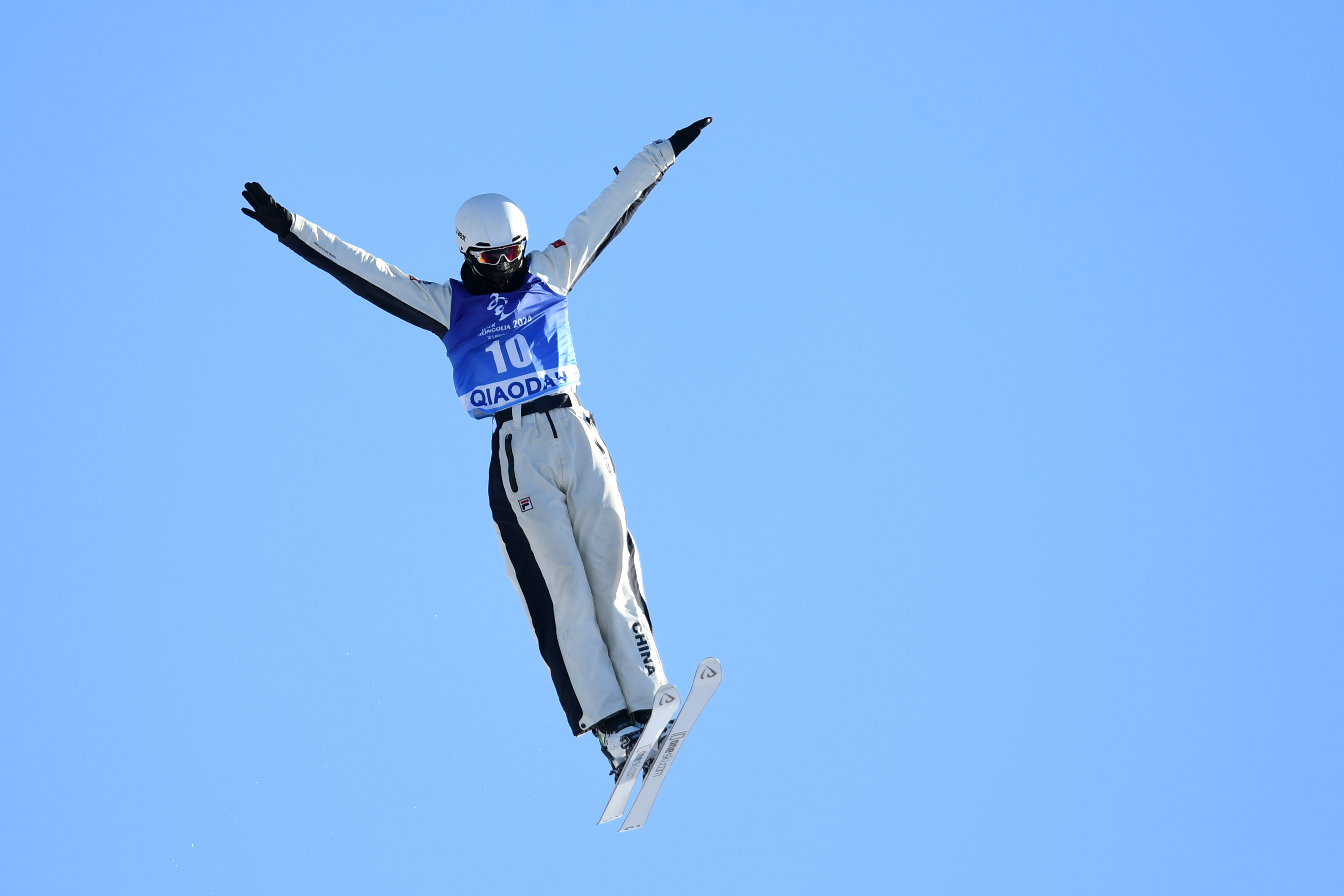
FREE ALPINE MINISTRY / 2026
A MEDIA SANCTUARY FOCUSED ON RAW, PRIMITIVE
AND UNFILTERED ALPINE CINEMATOGRAPHY.
CRITICAL PROFILE SERIES // 2026
RAW. EXTREME. AUTHENTIC. NO FILTERS.
NATIVE GRAIN ALPINE STRUGGLE
WE DELIVER SNOW VISUALS WITHOUT FILTERS,
FOCUSING ON THE GRIT BEHIND THE GLORY.
01 // THE RHETORICAL PREMISE
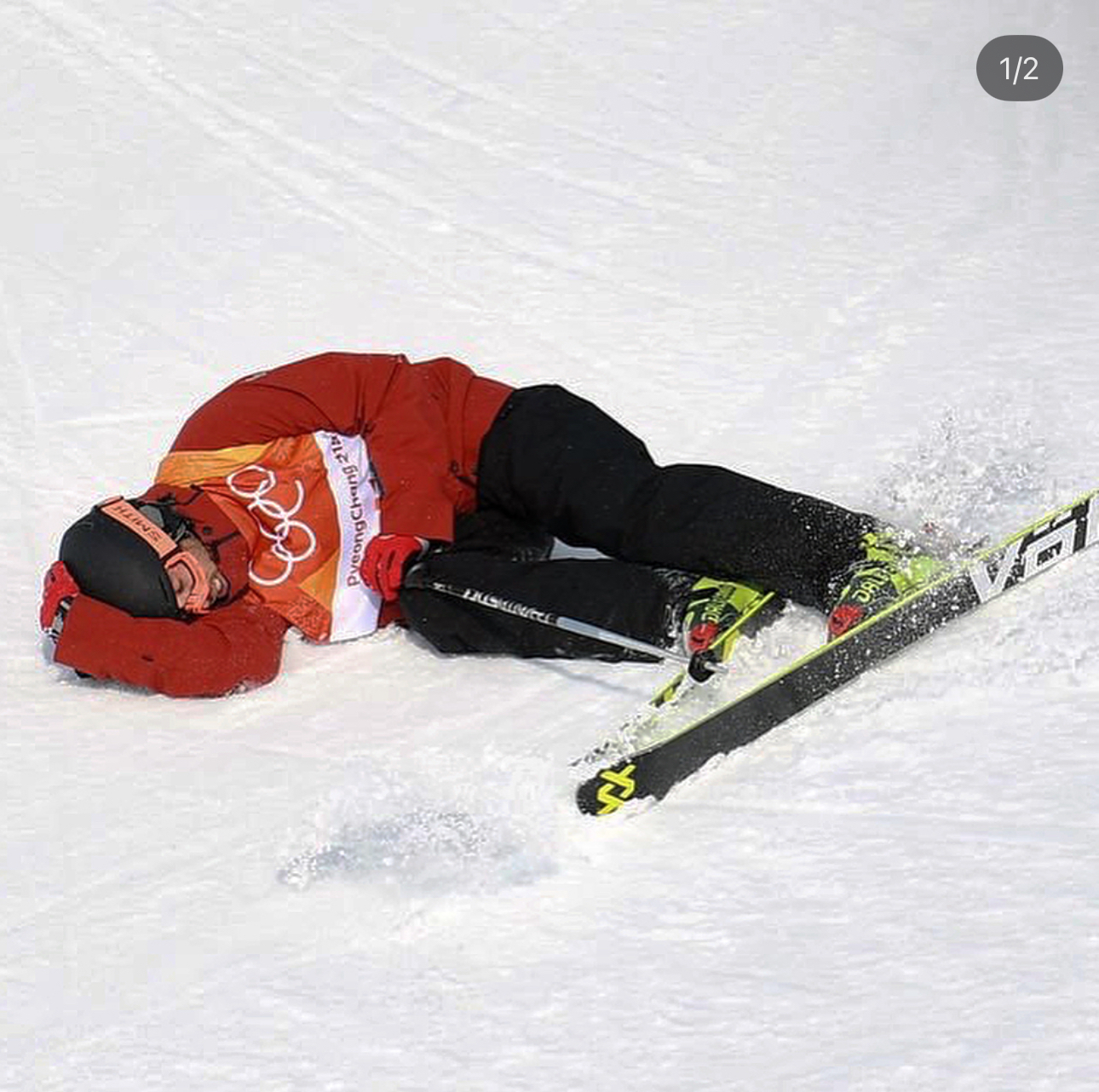
At VERTEX MEDIA, we do not subscribe to the sanitized, high-gloss narratives that dominate mainstream sports broadcasting. Our editorial mission is to operate within the "Native Grain" of the alpine struggle—a space where risk is not a marketing buzzword but a visceral, bone-crushing reality. In April 2019, the world watched as French freestyle legend Kevin Rolland suffered a near-fatal crash during a world-record attempt. While mainstream outlets immediately branded his survival and subsequent return as a "miracle," we recognize this as a sophisticated rhetorical construction. This profile deconstructs the spectacle of "resilience" to reveal the immense psychological and social costs that brand-driven storytelling purposefully leaves unsaid.
Sports media does not simply reflect the reality of athletes; it actively constructs them as cultural icons. Every profile, broadcast segment, and social media campaign involves a series of rhetorical choices—deciding which details to foreground as heroic and which to erase as inconvenient. The dominant narrative surrounding Rolland is one of "The Resurrection." Following a crash that resulted in a shattered pelvis, collapsed lungs, and traumatic internal injuries, the media apparatus—spearheaded by Red Bull Media House—shifted its editorial gear into a "Heroic Comeback" arc.
By packaging Rolland's survival as an inevitable triumph of the human spirit, the media sanitizes the inherent terror of the sport. This rhetorical choice carries significant ideological weight; it treats extreme sporting structures as natural and glorious rather than subjecting them to critical scrutiny. At VERTEX, we examine the "Grit behind the glory." The "miracle" is not an objective fact; it is a calculated editorial strategy designed to maintain the commercial viability and the "fearless" brand identity of the extreme sports industry. If the media were to acknowledge the permanent mental devastation caused by these stunts, the entire sponsorship logic of the industry would face an existential crisis.
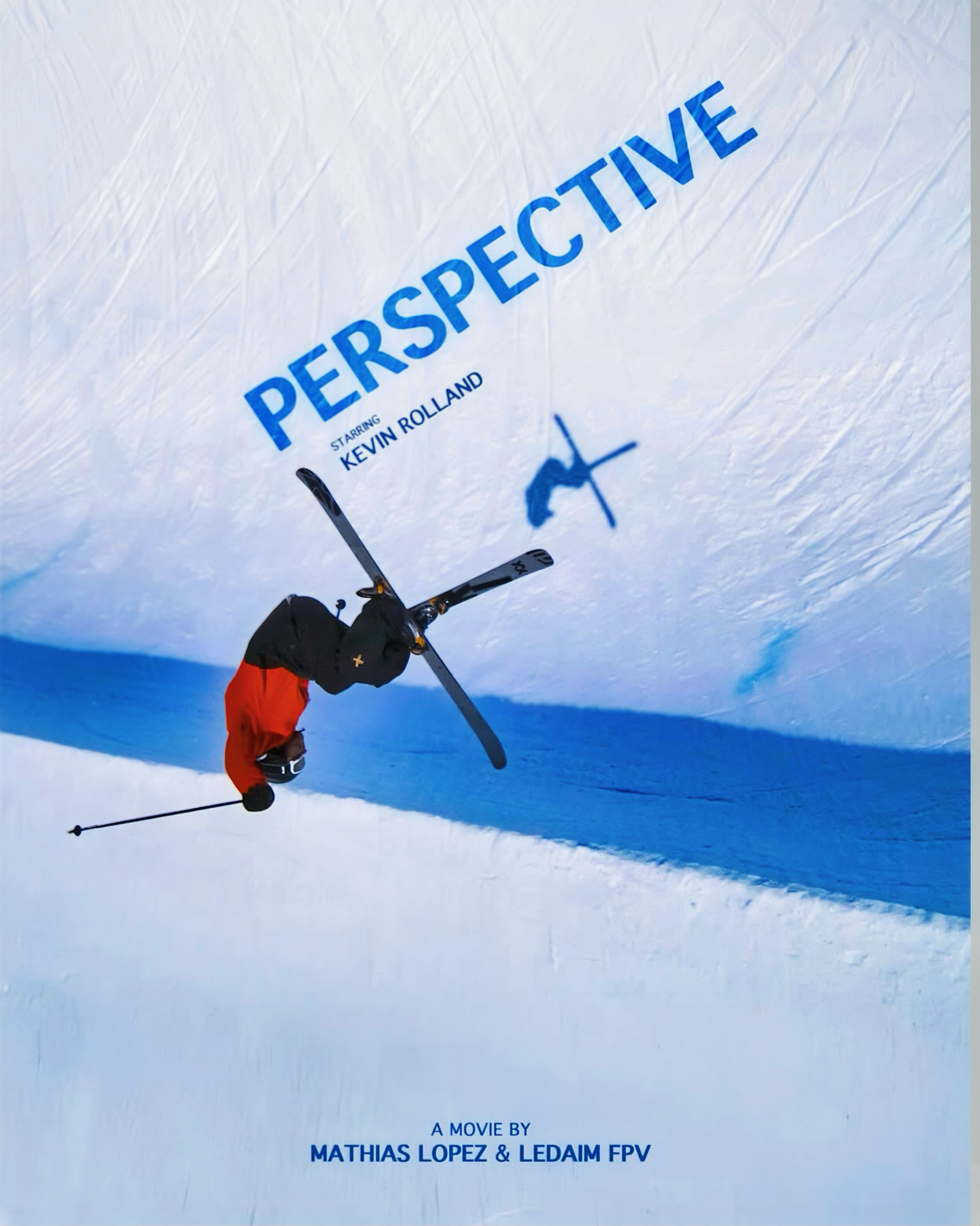
Kevin Rolland — U型池顶端悬停 / 2019
02 // VISUAL EXPLOITATION ANALYSIS
Resilience — 2019年坠毁瞬间纪录片
In the documentary Resilience, Rolland's crash is rhetorically transformed from a human tragedy into a Spectacle. The media utilizes what we define as "Topographic Suspense"—repeating the moment of impact from multiple high-definition angles in ultra-high-frame slow-motion. From a rhetorical perspective, this "Spectacularization of Pain" serves a dual purpose.
First, it aestheticizes the violence of the impact. By slowing down the physical destruction of a human body, the media turns a traumatic event into a "Poetry of Resilience." The audience is invited to consume the danger from a position of absolute safety, emotionally detached from the actual agony and the chaotic reality of the crash site.
Furthermore, the visual strategy employs a "High-Frame / High-Contrast" aesthetic that mimics the VERTEX standards of "raw" cinematography but weaponizes it for a different end: cinematic myth-making. By stretching the seconds of the fall, the media grants the viewer an "Apex Moment" to admire, effectively commodifying the athlete's brush with death. The fall is no longer a warning of the sport's lethality; it is a product used to sell the brand's narrative of invincibility.
"The slow-motion replay functions as a rhetorical mask, hiding the unheroic, messy reality of a broken human being behind a veil of cinematic grace."
This visual rhetoric ensures that the viewer remains transfixed by the "Hero," rather than questioning the institutional ethics of encouraging such high-stakes world-record attempts. It strips the athlete of their vulnerability and reduces them to a symbol serving the camera's aesthetic requirements.
03 // AUDITORY PATHOS VS. TRUTH
"Sound is the physical extension of the alpine struggle."
This is the commercially produced version. Swelling orchestral music fills the auditory space, creating emotional uplift and directing the viewer toward feelings of triumph and inspiration. The harsh scrape of skis, the gasping for air, the sound of impact—all are buried beneath the "Heroic Theme." This is what mainstream broadcast delivers as "truth."
Remove the score. What remains: the guttural, terrifying sound of an athlete gasping for air with collapsed lungs. The harsh scrape of skis on ice. The absolute, haunting silence of a heart that has momentarily stopped beating. This is the zero-smoothing standard. This is the unfiltered truth of the alpine struggle.
At VERTEX, our production standard is Zero Smoothing. We believe in the "Narrative of Silence"—the power of raw, environmental sound to convey truth. However, mainstream media utilizes "Auditory Pathos" to drown out the uncomfortable, unmarketable reality of trauma. In the coverage of Rolland's recovery, the auditory space is occupied by swelling, orchestral scores. This music acts as a rhetorical emotional-guide, dictating to the audience exactly how they should feel: inspired, moved, and reassured of the athlete's eventual victory.
This sonic realism is a facade. By amplifying the "Heroic Theme," the media mutes the Environmental Resonance of the event. This "Production Standard" of mainstream broadcasting is designed to "sanitize" the trauma. It replaces the irregular "Pulse Wave" of a real human struggle with a measured, commercial cadence. When we remove the music, the "Miracle" evaporates, leaving only the raw, unfiltered grit of a man fighting for his next breath.
04 // BRAND FILTERS & MENTAL HEALTH
BRAND FILTER: THE HERO
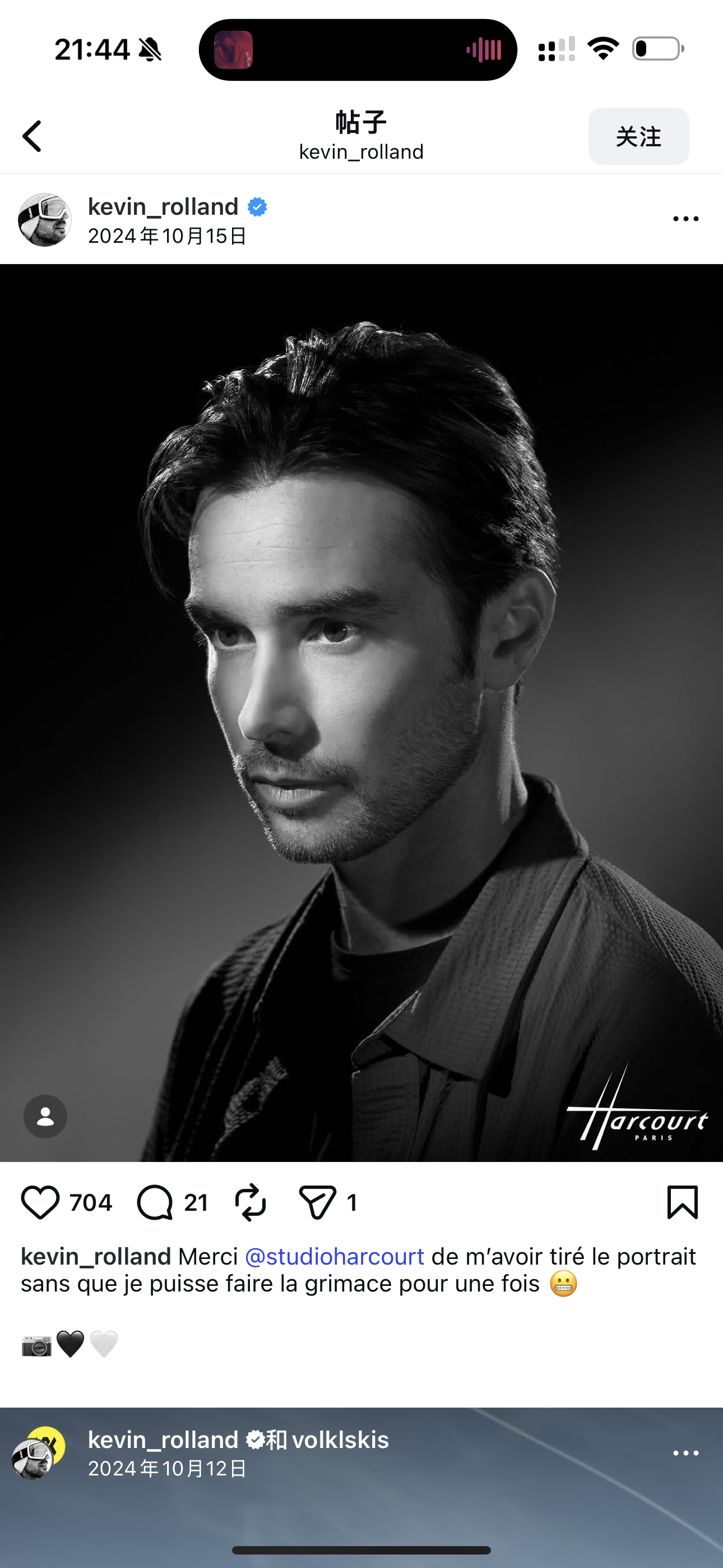
杂志封面上呈现"无畏"形象的英雄
DRAG
REALITY: THE HUMAN

采访中真实焦虑状态下的常人
Why does the media systematically exclude nightmares, anxiety, and flashbacks from the "Miracle" narrative? The answer lies in the Power Dynamics of athlete branding. Acknowledging that a "Hero" suffers from permanent psychological trauma—specifically PTSD—is detrimental to brand equity. If the public accepts that freestyle skiing destroys the mind as much as the body, the "Cool" factor and the commercial allure of the sport would collapse.
Kevin Rolland admitted in later, less-publicized interviews that he "must force himself to remember the fall" to overcome his paralyzing fear of the jump. Mainstream media rhetorically reframed this agonizing process as "mental toughness" or "competitive grit." In reality, this "forced remembrance" is a textbook symptom of PTSD—the intrusive re-experiencing of trauma. By rebranding a debilitating psychological disorder as a form of "Competitive Advantage," the media pressures athletes to perform "Resilience" even when they are mentally fragmented.
This institutional power ensures the athlete remains a viable brand icon, prioritizing the sponsor's "Peak Pulse" over the long-term mental health of the human being. Rolland's struggle is minimized as a mere detour on the "road to recovery," rather than a lifelong mental health crisis.
05 // SOCIAL CONTEXT & THE STAKES OF HEROISM
The social context of freestyle skiing is built upon a rigid hierarchy of risk. The "Hero" is a cultural figure produced through the rhetorical choices of media organizations and public discourse. In the case of Kevin Rolland, his public image was circuited and contested through a system that rewards "Miracle Returns" and punishes "Vulnerability." This systemic pressure comes not only from media but from a public appetite for superhuman feats that ignore the gravity of human suffering.
The stakeholders in this narrative—the FIS, global energy drink sponsors, and broadcast networks—all benefit from a framing that treats injury as a "temporary obstacle" rather than a "permanent social cost." When we examine what this framing leaves unsaid, we find a community of athletes who feel culturally and economically compelled to hide their psychological struggles to meet the editorial identity of their media partners.
This is not just about one skier; it is about a culture that treats human pain like a movie plot, ignoring the long-term human struggle for the sake of a 30-second commercial highlight. Under this structure, the athlete's body becomes a vessel for capital, while their internal world is barred from the spotlight.

06 // CONCLUSION
The "Miracle Return" of Kevin Rolland is a masterpiece of contemporary sports rhetoric. It is a story meticulously designed to sell the next world record attempt, the next can of energy drink, and the next season of high-stakes competition. However, at VERTEX MEDIA, we conclude that this narrative is fundamentally an "act of erasure." By over-celebrating the "Miracle" while selectively ignoring the "Trauma," the media participates in the deep exploitation of the human spirit.
We are not just consuming his skill; we are consuming his pain, repackaged as a cheap inspirational slogan. Until the sports media industry begins to report on the "Fall" with the same depth, honesty, and raw detail as it does the "Edge," we will remain trapped in a cycle of spectacularized pain. We must acknowledge that behind every high-flying rotation lurks a shadow that may never heal.
"Capture the edge, feel the fall, but never forget the true price of the podium."
As spectators and media creators, we have a responsibility to tear away the polished filters and witness the raw, un-sanitized struggle of the human being.